
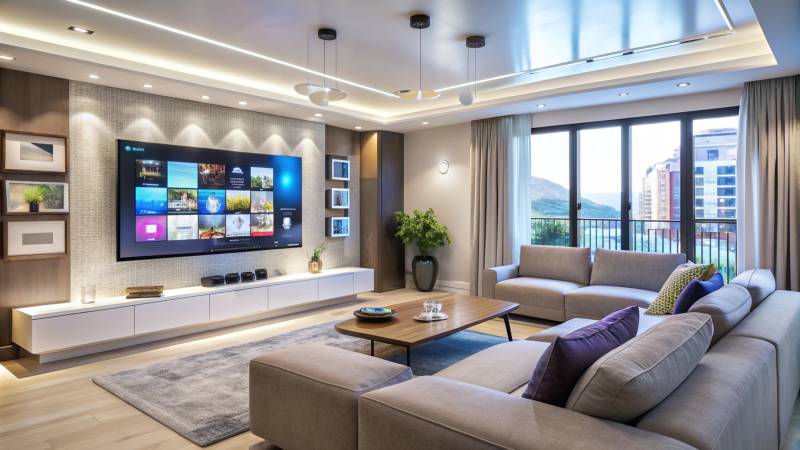
Smart home technology has changed the way people use, organize, and enjoy their homes. However, adding technology does not mean covering every room with visible screens, wires, sensors, and gadgets. The best smart homes combine modern convenience with thoughtful interior design so that technology supports the space instead of dominating it.
The decoradtech smart home ideas by decoratoradvice approach focuses on this balance. It encourages homeowners to integrate smart devices into their interiors in subtle and attractive ways. Instead of making technology the main visual feature, you can conceal switches, hide cables, use discreet lighting, select design-friendly hardware, and automate everyday functions.
This guide explains how to create a smart home that remains comfortable, organized, attractive, and easy to use. Whether you are building a new property, renovating an existing home, or gradually adding smart devices, these practical ideas can help you create a sophisticated connected environment.
What Is a Design-Friendly Smart Home?
A design-friendly smart home combines automation with interior decoration.
Traditional smart-home installations sometimes leave visible:
- Cables
- Large control panels
- Bulky sensors
- Plastic switches
- Exposed chargers
- Oversized cameras
- Unnecessary gadgets
A thoughtful approach hides or minimizes these elements.
For example, you can install smart switches that resemble conventional wall controls. Similarly, you can place smart plugs behind furniture and conceal LED strips beneath cabinets.
As a result, your technology becomes part of the architecture rather than an obvious addition.
Plan Smart Technology Before Decorating
One of the most important rules involves planning.
If you are building or renovating a home, think about technology before finishing the walls, ceilings, and floors.
Create a technology plan that identifies where you want:
- Smart lights
- Automated curtains
- Security cameras
- Smart thermostats
- Door sensors
- Speakers
- Network equipment
- Smart appliances
- Charging points
Planning early allows electricians and contractors to create appropriate wire paths and power locations.
Why Early Planning Matters
Adding technology after construction can require visible cables, surface-mounted equipment, or additional drilling.
However, planning during construction allows you to hide wiring inside walls and ceilings.
You can therefore achieve a much cleaner appearance.
For example, motorized curtains can receive hidden power connections near the window. Likewise, security cameras can use carefully planned cable routes rather than exposed wires.
Concealed Smart Switches
Wall switches remain one of the most visible parts of a smart-home system.
Instead of choosing bulky plastic panels, select slim switches with finishes that complement your interior.
Good options include:
- Matte metal
- Brushed metal
- Neutral finishes
- Simple white
- Dark minimalist finishes
Flush-mounted designs can blend naturally with modern walls.
Furthermore, smart switches allow you to control lights through physical buttons, mobile applications, schedules, or voice commands, depending on the system.
The result combines convenience with a cleaner appearance.
Create Hidden Ambient Lighting
Lighting represents one of the easiest ways to combine smart technology and interior design.
Instead of relying exclusively on visible bulbs and fixtures, consider concealed illumination.
Possible options include:
- Hidden LED strips
- Concealed cabinet lighting
- Magnetic track lighting
- Cove lighting
- Under-bed lighting
- Under-cabinet lighting
- Recessed fixtures
These systems can provide soft illumination without creating excessive glare.
Use Lighting Scenes
Smart lighting becomes particularly useful when you create different lighting scenes.
For example, a living room might have:
Morning scene: bright, cool illumination for an energetic start.
Evening scene: warm, softer lighting for relaxation.
Movie scene: dimmed lights around the seating area.
Reading scene: brighter task lighting near a chair.
Automation lets you activate these settings quickly.
Therefore, smart lighting can improve both convenience and atmosphere.
Hide Smart Plugs Behind Furniture
Smart plugs provide an easy way to automate ordinary appliances.
However, visible plugs and cables can create unnecessary visual clutter.
Place smart plugs behind:
- Sofas
- Cabinets
- Side tables
- Desks
- Beds
- Entertainment units
Then connect lamps or small appliances to them.
This setup allows you to control compatible devices without adding another visible gadget to the room.
Improve Everyday Convenience
A smart plug can help automate a lamp according to your schedule.
For example, a bedside lamp could turn on at a specific time in the morning. A living-room lamp could activate before you arrive home.
These simple automations can make daily routines smoother without changing the appearance of your furniture arrangement.
Build Tailored Lighting Scenes
Every room serves a different purpose, so its lighting should adapt accordingly.
A kitchen may require bright task lighting, while a bedroom benefits from softer illumination.
Create room-specific presets for:
- Cooking
- Dining
- Reading
- Working
- Relaxing
- Entertaining
- Sleeping
This approach makes smart technology useful rather than decorative.
For example, a home office could automatically increase task lighting during working hours and reduce brightness later in the evening.
Plan Internal Cable Management
Cable management should begin before you purchase smart devices.
Identify where cables will need to travel and determine how you can conceal them.
Consider planning internal pathways for:
- Automated curtains
- Security cameras
- Wall displays
- Smart lighting
- Speakers
- Network equipment
- Door sensors
During renovation, you can place cables inside walls or ceilings where appropriate.
What If Your Home Is Already Finished?
You can still improve cable management without opening walls.
Use:
- Cable channels
- Paintable covers
- Furniture pathways
- Under-desk cable trays
- Cable clips
- Cord-management boxes
Choose solutions that match the surrounding wall or furniture.
The goal is to make technology visually quiet.
Choose Hardware That Matches Your Interior
Smart-home products should complement your existing design.
When selecting thermostats, switches, sensors, and other devices, consider their:
- Color
- Shape
- Size
- Finish
- Mounting style
For example, brushed metal hardware may work well in a contemporary kitchen, while neutral white devices can blend into minimalist walls.
Avoid selecting technology purely based on features. Consider appearance as part of the purchasing decision.
Smart Thermostats for Subtle Climate Control
Climate control represents another area where technology can improve comfort without becoming visually dominant.
Modern smart thermostats often feature relatively simple designs that can blend into a wall.
They can help homeowners manage heating and cooling schedules based on their routines and preferences.
For example, you might configure temperature changes around:
- Wake-up time
- Work hours
- Evening relaxation
- Sleeping hours
This can make climate control more convenient while maintaining a clean interior.
Motorized Blinds and Curtains
Window treatments provide another opportunity for discreet automation.
Motorized blinds can integrate into a window system while reducing the need for visible controls.
You can automate them based on:
- Time
- Sunlight
- Room use
- Personal schedules
For example, blinds can open gradually in the morning and close in the evening.
Combine Privacy and Design
Motorized window treatments can also help maintain privacy without requiring constant manual adjustment.
Choose neutral fabrics and hardware that complement your interior.
When properly installed, the technology can remain nearly invisible.
Discreet Smart Security
Security technology does not have to make your home look like a commercial building.
Modern security products can use relatively compact and minimalist designs.
Consider discreet options for:
- Cameras
- Smart locks
- Door sensors
- Motion sensors
- Video doorbells
Place devices where they provide useful coverage without unnecessarily dominating the entryway.
Smart Locks
A minimalist smart lock can replace a traditional lock while providing additional control options.
Depending on the product, homeowners may use:
- Codes
- Mobile applications
- Physical keys
- Biometric authentication
Always prioritize security and reliability when selecting access-control devices.
Create a Streamlined Smart Kitchen
The kitchen often contains numerous appliances, which can quickly create visual clutter.
Instead of filling countertops with individual gadgets, consider integrated or multifunctional technology.
Examples include:
- Built-in ovens
- Smart refrigerators
- Integrated lighting
- Smart coffee systems
- Connected appliances
- Under-cabinet lighting
The goal should remain simple: technology should make the kitchen easier to use without reducing available workspace.
Keep Countertops Clear
A clean countertop can make a kitchen feel larger and more organized.
Store small appliances inside cabinets when practical, and use smart plugs or built-in electrical solutions to reduce visible cables.
Additionally, choose appliances that serve multiple purposes when possible.
Smart Home Office Ideas
A home office needs technology, but it also needs organization.
Start by creating a dedicated workspace.
Consider:
- Smart lighting
- Cable management
- Adjustable desk
- Ergonomic chair
- Charging station
- Smart plugs
- Network equipment
Hide cables underneath the desk using cable trays and clips.
Use a desk lamp with adjustable brightness so you can switch between focused work and relaxed tasks.
Automate Your Workday
Smart routines can simplify repetitive actions.
For example, a work routine could activate:
- Desk lighting
- Temperature settings
- Computer accessories
- Background lighting
At the end of the workday, another routine could switch off unnecessary devices.
This separation can help create a clearer distinction between work and personal time.
Smart Bedroom Technology
Technology should support relaxation rather than create distractions.
Use subtle smart features such as:
- Bedside lighting
- Motorized blinds
- Smart plugs
- Temperature controls
- Soft accent lighting
Avoid placing too many screens around the bed if you want a calmer environment.
Instead, use automation to reduce the number of manual actions required.
For example, a single routine could dim lights, close blinds, and adjust the room temperature before bedtime.
Smart Bathroom Ideas
Bathrooms can also benefit from carefully integrated technology.
Consider:
- Motion-activated lighting
- Heated towel systems
- Smart ventilation
- Backlit mirrors
- Water-monitoring devices
However, electrical products require appropriate installation in wet environments.
Always follow local electrical requirements and manufacturer instructions.
Safety should take priority over aesthetics.
Extend Smart Technology Outdoors
Smart-home design does not need to stop at the front door.
You can extend automation into:
- Patios
- Decks
- Gardens
- Outdoor kitchens
- Pool areas
- Walkways
Weather-resistant smart lighting can illuminate outdoor spaces while improving convenience.
Smart Outdoor Lighting
Outdoor lighting can provide:
- Pathway illumination
- Security lighting
- Patio ambiance
- Landscape highlighting
Create different scenes for different occasions.
For example, a dinner scene might provide gentle patio lighting, while a security setting can activate brighter lights when motion occurs.
Smart Garden Technology
Technology can also simplify garden maintenance.
Depending on your setup, consider:
- Automated irrigation
- Soil sensors
- Weather-aware watering
- Smart outdoor lighting
- Garden monitoring devices
Automation can reduce repetitive tasks while helping you manage outdoor spaces more efficiently.
Use Smart Technology Without Losing Personality
A common decorating mistake involves allowing technology to dominate the interior.
Your home should not feel like a showroom filled with gadgets.
Instead, maintain personality through:
- Artwork
- Plants
- Books
- Textiles
- Family photographs
- Decorative objects
- Natural materials
Technology should support these elements rather than compete with them.
Balance Technology With Natural Materials
Natural materials can soften the appearance of technology.
Combine smart devices with:
- Wood
- Stone
- Linen
- Wool
- Ceramic
- Plants
For example, a minimalist smart speaker can sit beside a wooden tray and ceramic vase.
This combination prevents the room from feeling overly technological.
Avoid Smart-Home Overload
You do not need to automate every object in your house.
Start with the areas where automation provides genuine value.
Good starting points include:
- Lighting
- Climate control
- Security
- Window treatments
- Energy management
Then expand gradually.
Before purchasing a smart device, ask:
- Will I use it regularly?
- Does it solve a real problem?
- Does it work with my existing system?
- Can I install it without creating visual clutter?
- Is it reliable and secure?
These questions help prevent unnecessary purchases.
Think About Compatibility
Smart devices do not always work together automatically.
Before purchasing products, check compatibility with your preferred smart-home ecosystem.
Consider:
- Connectivity standards
- Mobile applications
- Voice-control compatibility
- Hub requirements
- Network requirements
- Future expansion
A compatible system makes automation easier to manage.
Protect Your Smart Home Network
Smart-home convenience should come with responsible security practices.
Use:
- Strong passwords
- Updated device software
- Secure Wi-Fi
- Multi-factor authentication where available
- Separate guest networks when appropriate
Regularly update connected devices according to manufacturer recommendations.
Security becomes particularly important for cameras, smart locks, and other devices that interact with sensitive parts of your home.
Common Smart Home Design Mistakes
Avoid these common problems when integrating technology.
Exposed Cables
Plan cable routes carefully.
Too Many Gadgets
Only install technology that provides meaningful value.
Poor Device Placement
Sensors and cameras need appropriate positions to function effectively.
Ignoring Interior Style
Choose hardware that complements your home’s colors and materials.
Forgetting Future Needs
Leave room for future upgrades when renovating.
Relying Entirely on Voice Control
Physical controls can remain useful when voice control is unavailable or inconvenient.
How to Create a Smart Home Step by Step
If you are starting from scratch, follow a structured process.
Step 1: Identify Your Needs
List the problems you want technology to solve.
Step 2: Plan Your Rooms
Decide where you need lighting, security, climate, and automation.
Step 3: Create a Wiring Plan
Plan cable pathways before construction or renovation finishes.
Step 4: Choose a Compatible System
Select devices that can communicate effectively.
Step 5: Install Core Technology
Start with lighting, security, and climate control.
Step 6: Hide Cables and Hardware
Use built-in pathways and discreet mounting solutions.
Step 7: Create Automation Scenes
Program routines based on how you use each room.
Step 8: Review the Design
Look at the room from different angles and identify anything that appears unnecessarily cluttered.
Step 9: Expand Gradually
Add new devices only when they provide genuine benefits.
Final Thoughts
A smart home should feel comfortable, attractive, and natural rather than overloaded with technology. The most effective approach combines automation with thoughtful interior design so that devices solve everyday problems while remaining visually discreet.
The decoradtech smart home ideas by decoratoradvice approach emphasizes concealed switches, hidden lighting, organized power connections, tailored lighting scenes, early cable planning, design-friendly hardware, subtle climate control, discreet security, streamlined kitchens, and smart outdoor spaces.
Most importantly, begin with your lifestyle rather than the technology itself. Determine what you want to improve, then choose devices that support those goals. Plan wiring early, conceal unnecessary cables, select finishes that complement your interior, and maintain enough natural materials and personal decoration to keep your home warm and inviting.
With thoughtful planning, smart technology can become an almost invisible part of your interior. Instead of competing with your furniture and decoration, it can quietly make your home more comfortable, efficient, secure, and convenient.
Ultimately, decoradtech smart home ideas by decoratoradvice demonstrate that technology and interior design can work together. When you prioritize both functionality and aesthetics, you can create a connected home that feels modern without sacrificing personality or comfort.
For more info visit DecorationAdvice