
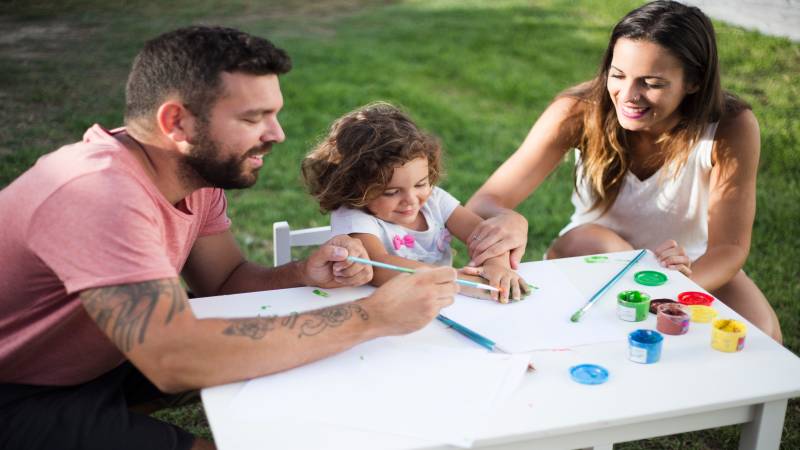
Creative activities can bring families together while helping children develop imagination, confidence, and practical skills. From simple crafts to weekend projects, hands-on activities give children an opportunity to explore ideas and create something with their own hands. Parents can also participate, making these projects valuable opportunities for family bonding.
Activities brought to you by LookWhatMomFound LWMFCrafts represent a collection of creative ideas focused on DIY projects, family activities, crafts, and enjoyable ways to spend time together. These activities can suit different ages, interests, and skill levels. Furthermore, many craft projects can use everyday household materials, making them accessible for families looking for affordable entertainment.
This guide explores the concept of LWMFCrafts, explains the benefits of family crafts, and provides practical ideas for creating enjoyable activities at home. Whether you want to keep children busy during a weekend, prepare a seasonal project, or introduce your family to a new creative hobby, these ideas can provide a useful starting point.
What Is LWMFCrafts?
LWMFCrafts can be understood as a creative activity category associated with LookWhatMomFound. The focus centers on DIY crafts, family projects, children’s activities, and hands-on experiences that encourage creativity.
Unlike activities that depend entirely on screens or digital entertainment, crafts give children something physical to make and explore. They can cut, draw, paint, build, decorate, fold, assemble, and experiment with different materials.
Parents can also adapt projects according to their children’s ages and abilities. A simple paper activity might suit younger children, while older kids can work on more detailed projects that require planning and several steps.
Therefore, craft activities can become flexible family experiences rather than fixed projects that everyone must complete in exactly the same way.
Understanding Activities Brought to You by LookWhatMomFound LWMFCrafts
The phrase Activities brought to you by LookWhatMomFound LWMFCrafts highlights the idea of bringing creative projects into everyday family life. These activities can include traditional crafts, seasonal projects, DIY decorations, educational activities, and weekend challenges.
The most useful craft projects often combine creativity with simplicity. Families do not always need expensive supplies or complicated instructions. In many cases, paper, cardboard, crayons, glue, recyclable containers, fabric scraps, and other household materials can provide everything needed for an enjoyable project.
Moreover, parents can turn ordinary activities into learning opportunities. For example, children can practice counting while creating paper shapes, learn about colors through painting, or explore nature while making crafts from leaves and other safe materials.
Why Family Crafts Matter
Crafting offers several benefits beyond simply producing a finished object.
Encourages Creativity
Creative projects give children permission to experiment. They can choose colors, shapes, patterns, and designs according to their own preferences.
This freedom helps children understand that there may be several ways to solve a creative problem.
Develops Fine Motor Skills
Activities such as cutting, drawing, folding, threading, and gluing require controlled hand movements. Regular practice can help children develop coordination and dexterity.
Parents should choose age-appropriate tools and supervise activities involving scissors or other potentially unsafe materials.
Builds Patience
Some projects require several steps before they reach completion. Children learn that creating something can take time.
As a result, crafts can introduce patience and encourage children to focus on a task instead of expecting immediate results.
Creates Family Bonding Time
Parents and children can work together on the same project. While crafting, families can talk, share ideas, tell stories, and enjoy each other’s company.
Therefore, the activity becomes about more than the final craft. The process itself creates a shared experience.
Easy Paper Crafts for Children
Paper provides one of the easiest materials for family craft projects. It is inexpensive, widely available, and easy to customize.
Paper Animals
Children can draw and cut out animals from colored paper. They can add eyes, ears, tails, and other features to create their own characters.
Parents can turn this activity into a learning experience by discussing different animal habitats and behaviors.
Paper Crowns
A simple paper crown can become a fun project for birthdays, pretend play, or family games.
Children can decorate the crown with drawings, stickers, paper shapes, or safe craft materials.
Paper Flowers
Paper flowers can introduce children to folding, cutting, and color combinations. Families can create several flowers and arrange them into a handmade decoration.
These projects work particularly well during spring-themed activities or family craft sessions.
Recycled Material Crafts
Crafting with recyclable household materials can teach children about creativity and responsible resource use.
Empty cardboard boxes, paper rolls, containers, and packaging materials can become the foundation for imaginative projects.
For example, a cardboard box can become a pretend house, garage, castle, shop, or spaceship.
Children can decorate the structure using paper, crayons, and other safe materials. This type of project encourages them to think about how an ordinary object can serve a new purpose.
However, parents should inspect recycled materials before use and remove sharp edges, small hazardous components, or materials unsuitable for children.
Nature-Inspired Activities
Nature can provide inspiration for creative projects. Families can collect safe natural items such as fallen leaves, twigs, or stones and use them for supervised crafts.
Leaf Art
Children can arrange fallen leaves into pictures or patterns. They can create animals, landscapes, or abstract designs.
This activity can also encourage children to observe differences in leaf shape, size, and texture.
Nature Collages
A nature collage combines several safe natural materials into one creative display. Children can arrange their chosen items on paper and create a themed composition.
Parents can make the activity educational by discussing where each natural item came from.
Seasonal Craft Ideas
Seasonal activities can make family crafting more exciting because children can create projects connected to the time of year.
Spring Activities
Spring-themed crafts can include flowers, butterflies, birds, gardens, and colorful paper decorations.
Summer Activities
Summer projects can focus on beaches, sunshine, outdoor adventures, fruits, and travel themes.
Autumn Activities
Families can create leaf decorations, woodland animals, harvest-themed crafts, and colorful seasonal artwork.
Winter Activities
Winter crafts can include snowflakes, paper decorations, winter animals, greeting cards, and indoor decorations.
Seasonal crafting also gives families a reason to refresh their activities throughout the year.
Educational Crafts for Children
Crafts can combine entertainment with education. Parents can create projects that support subjects children encounter at school.
For example, a counting craft can help younger children practice numbers. A geography project can involve creating a simple map. A science-themed craft can demonstrate basic concepts through hands-on activities.
History projects can also benefit from creative work. Children can make simple models, timelines, or illustrations connected to a historical topic.
The key is to keep the activity enjoyable. Children often learn more effectively when they actively participate rather than simply receive information.
Weekend Craft Challenges
A weekend challenge can give families a simple reason to spend creative time together.
Choose one project and establish a basic goal. For example, each family member might create an animal from recycled materials.
Everyone can then present their finished project and explain how they created it.
Another option involves choosing a theme such as “under the sea,” “outer space,” “my dream house,” or “future city.” Each person can interpret the theme differently.
These challenges encourage imagination while creating memorable family moments.
LWMFCrafts for Younger Children
Younger children often benefit from simple projects with fewer steps.
Parents can provide large pieces of paper, washable crayons, stickers, large craft shapes, and other age-appropriate materials.
The goal should not always be perfection. Instead, allow young children to explore textures, colors, and shapes.
Adults can provide basic instructions but should avoid controlling every decision. Giving children some creative freedom helps them develop confidence.
Crafts for Older Children
Older children may enjoy projects that require more planning and construction.
They can create cardboard models, decorative items, personalized organizers, paper engineering projects, or themed displays.
Parents can increase the challenge by asking children to design their own project instead of following a predetermined example.
For instance, rather than telling a child exactly how to build a cardboard structure, provide the materials and ask them to design something useful.
This approach encourages problem-solving and independent thinking.
Creating a Family Craft Station
Families who regularly enjoy DIY projects can create a dedicated craft area at home.
The space does not need to be large. A small table, storage box, or shelf can hold essential supplies.
Useful materials may include:
- Colored paper
- Plain paper
- Crayons
- Washable markers
- Child-safe scissors
- Glue
- Cardboard
- Stickers
- Yarn
- Recyclable containers
- Craft sticks
- Safe decorative materials
Keep supplies organized so children can easily find what they need.
Parents should also establish basic safety rules. Store sharp tools, hot glue equipment, chemicals, and other potentially dangerous supplies away from young children.
Making Crafts More Affordable
Creative family activities do not need to become expensive hobbies.
Start with materials already available at home. Reuse cardboard boxes, paper packaging, clean containers, and other suitable household items.
Instead of buying every possible color or decoration, focus on versatile materials.
Families can also create a “craft box” where safe reusable materials are collected over time. This approach reduces waste and provides a convenient supply of materials for future projects.
Furthermore, simple projects often produce just as much enjoyment as elaborate ones.
Turning Crafts Into Learning Opportunities
Parents can make almost any craft educational with a little planning.
During a paper project, discuss shapes and colors. During a nature activity, talk about plants and animals. During a building project, discuss measurements and basic engineering.
Parents can also ask children questions while they work:
- Why did you choose this design?
- What could make it stronger?
- How many pieces did you use?
- What would you change?
- What story does your creation tell?
These questions encourage children to think about their decisions rather than simply completing instructions.
Encouraging Children Without Taking Over
One important part of family crafting involves allowing children to own their creative work.
Parents may naturally want to fix a crooked line or improve a design. However, children’s projects do not need to look perfect.
Instead, encourage experimentation and effort.
Praise specific actions such as careful cutting, creative color choices, problem-solving, or persistence.
This approach can help children develop confidence and view mistakes as part of the creative process.
Safety Tips for Family Craft Activities
Safety should remain a priority during every project.
Choose materials that match the child’s age and abilities. Supervise younger children closely, particularly when projects involve scissors, small pieces, adhesives, or other tools.
Avoid materials that contain harmful substances. Keep craft supplies away from food preparation areas.
Parents should also maintain a clean workspace. Spilled glue, loose materials, and clutter can create unnecessary hazards.
Finally, follow the manufacturer’s safety instructions for any specialized craft product.
How to Plan a Successful Craft Day
A successful family craft session does not require complicated preparation.
First, select a project that matches the children’s ages and interests.
Next, gather all materials before beginning. Preparing supplies in advance reduces interruptions.
Then, explain the basic instructions while leaving room for creativity.
Set aside enough time so children do not feel rushed.
After finishing, give everyone an opportunity to show their work and explain what they created.
Finally, clean the workspace together. Cleaning can become part of the family routine and teaches children responsibility.
Creative Ideas for Family Bonding
Crafting can become a regular family tradition.
Families can schedule a weekly craft afternoon or choose one project for each weekend.
Another idea involves creating a family display area. Place completed artwork somewhere everyone can see it.
Parents can also create a memory box containing favorite family crafts. Over time, the box can become a collection of childhood memories.
For special occasions, families can make handmade cards or decorations instead of purchasing them.
These small traditions can create meaningful experiences without requiring a large budget.
Common Mistakes to Avoid
Families sometimes make crafting unnecessarily complicated.
One mistake involves choosing projects that are too difficult for the children’s ages. If a project requires constant adult assistance, children may lose interest.
Another mistake involves focusing too much on the final appearance. Children should have room to create something different from the example.
Using too many materials can also create unnecessary expense and mess.
Finally, parents should avoid scheduling craft sessions when children are tired or hungry. Choose a comfortable time when everyone can participate.
The Role of Creativity in Everyday Life
Creativity extends beyond traditional arts and crafts. Children who regularly practice designing, building, experimenting, and solving problems can develop habits that apply to many areas of life.
Creative activities encourage curiosity. They also provide opportunities to test ideas and learn from mistakes.
For families, these activities create a balance between entertainment and meaningful interaction.
Consequently, craft time can become an important part of a healthy family routine.
Final Thoughts
Activities brought to you by LookWhatMomFound LWMFCrafts provide a useful concept for families searching for creative, practical, and enjoyable ways to spend time together. From paper crafts and recycled-material projects to seasonal decorations and educational activities, families can choose projects that match their interests and available resources.
The most valuable part of crafting is not necessarily the finished product. Instead, the real benefit comes from creativity, learning, communication, and time spent together.
Parents can begin with simple materials and gradually introduce more challenging projects as children develop new skills. Encourage experimentation, allow children to make their own decisions, and treat mistakes as opportunities to learn.
With thoughtful planning, even an ordinary afternoon can become a memorable family craft session. Whether you choose a simple paper project, a nature-inspired activity, or a weekend creative challenge, LWMFCrafts can inspire families to explore their imagination and enjoy more meaningful time together.
For more info viist DecorationAdvice