
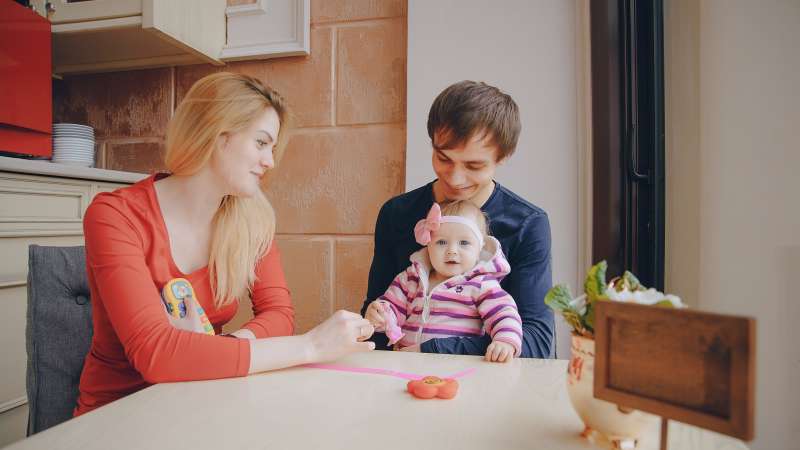
Parenting brings countless joyful moments, but it also comes with daily challenges. From morning routines and bedtime struggles to emotional outbursts and communication problems, parents often look for practical ways to make family life easier. Fortunately, small changes in everyday habits can help parents build stronger relationships with their children while creating a calmer home environment.
Parenting Tps Fpmomhacks focuses on simple parenting strategies that help families manage daily responsibilities, encourage positive behavior, and develop healthy emotional connections. These practical ideas emphasize clear communication, emotional regulation, consistent routines, and opportunities for children to become more independent.
Rather than expecting children to behave perfectly, effective parenting involves understanding their needs, setting reasonable boundaries, and guiding them through difficult situations. With patience and consistency, parents can create an environment where children feel safe, respected, and encouraged to learn.
In this guide, you will discover useful parenting tips and hacks that can simplify daily routines, reduce unnecessary arguments, and support your child’s emotional and social development.
1. Use Clear and Simple Communication
Communication plays a major role in how children understand instructions and respond to their parents. However, children may struggle when adults use vague reminders, complicated explanations, or several instructions at once.
Therefore, parents should make their communication specific, direct, and appropriate for the child’s age.
Replace vague reminders with specific instructions
Statements such as “Be good,” “Behave yourself,” or “Be gentle” do not always explain what a child should do. Children need clear examples of the behavior their parents expect.
For example, instead of saying, “Be gentle with the baby,” try saying, “Use your soft hand to stroke the baby’s arm.”
Similarly, replace “Clean your room” with a specific instruction such as “Please put your books on the shelf.” Once the child completes that task, you can introduce the next step.
This approach reduces confusion and gives children a clear starting point.
Give one instruction at a time
Young children may find it difficult to remember several instructions at once. If you tell a child to collect toys, change clothes, wash their hands, and prepare for dinner in one sentence, they may forget some steps.
Instead, divide the routine into manageable tasks.
For example:
- Put your toys in the basket.
- Place your shoes near the door.
- Wash your hands.
- Come to the table.
Allow your child enough time to complete each task before introducing another one. This strategy can reduce frustration and help children develop organization skills.
Use statements instead of unnecessary questions
When a task is required, phrase it as a respectful direction rather than a question that suggests the child has a choice.
Instead of asking, “Do you want to put your pajamas on?” say, “It’s time to put on your pajamas.”
However, offering choices can still be helpful when both options are acceptable. For example, ask, “Would you like the blue pajamas or the green ones?”
This balance allows parents to maintain boundaries while giving children an appropriate sense of independence.
2. Recognize Positive Behavior Immediately
Children need guidance, but they also need to know when they are doing something well. Parents sometimes focus so much on correcting mistakes that they overlook everyday acts of cooperation.
Positive acknowledgment helps children understand which behaviors are helpful and worth repeating.
For example, when your child puts away their toys without being reminded, say, “You remembered to put your toys away. That was responsible.”
Likewise, if your child waits patiently, shares with a sibling, or speaks respectfully during a disagreement, recognize that behavior.
Make praise specific and genuine
General praise, such as “Good job,” can feel encouraging. However, specific feedback teaches children exactly what they did well.
Try statements such as:
- “You waited for your turn, even though you were excited.”
- “You told me how you felt instead of hitting.”
- “You remembered to put your shoes away.”
- “You helped your brother when he needed you.”
Avoid making every moment about rewards or approval. The goal is to help children recognize their own progress and understand the value of responsible behavior.
Over time, specific encouragement can strengthen confidence, cooperation, and positive family relationships.
3. Stay Calm During Emotional Outbursts
Tantrums and emotional outbursts can challenge even the most patient parents. A tired toddler might cry because a snack is unavailable, while an older child might become angry after losing a game.
During these moments, parents may feel tempted to raise their voices. However, reacting with anger can intensify the situation.
Instead, begin by managing your own response.
Practice co-regulation
Co-regulation means helping a child manage strong emotions through a calm, supportive adult response. Young children are still learning how to recognize feelings, control impulses, and recover from frustration.
When your child becomes overwhelmed, try these steps:
- Pause before responding.
- Take a few slow breaths.
- Lower your voice and relax your body.
- Make sure everyone remains physically safe.
- Give your child time to settle.
- Offer simple reassurance when appropriate.
You might say, “I can see that you’re very upset. I’m here to help you.”
Your calm presence does not guarantee that the tantrum will stop immediately. Nevertheless, it provides a useful example of how people can respond to difficult emotions without hurting others.
Set boundaries without shouting
Staying calm does not mean accepting every behavior. Parents can acknowledge feelings while maintaining firm limits.
For example, say, “You can feel angry, but I won’t let you hit your sister.”
Then guide your child toward a safer response, such as moving away, squeezing a pillow, or explaining what happened with words.
If you lose your temper, take responsibility afterward. A sincere apology can teach children that people make mistakes and can repair relationships.
4. Build Connection Before Correcting Behavior
Children are more likely to cooperate when they feel understood and connected to their parents. Consequently, addressing a child’s feelings before correcting their behavior can make difficult conversations more productive.
Imagine your child refuses to leave the playground. You might feel frustrated because dinner is waiting and you need to get home.
Instead of immediately saying, “Stop arguing and come with me,” acknowledge the disappointment first.
Try saying, “You really wanted to keep playing. It’s hard to leave when you’re having fun. Now it’s time to go home.”
This response recognizes the feeling while maintaining the boundary.
Listen before offering advice
Older children and teenagers may not always want immediate solutions when they share a problem. Sometimes, they simply need someone to listen.
Ask a simple question:
“Would you like me to listen, help you think through the problem, or suggest some solutions?”
This approach gives children a voice in the conversation and helps parents avoid offering unwanted advice.
Additionally, listen without interrupting, dismissing concerns, or immediately comparing their experiences with your own. Even problems that seem small to adults can feel significant to children.
When children feel heard, they may become more comfortable discussing friendships, school difficulties, mistakes, and other sensitive issues.
5. Create Predictable Daily Routines
A predictable routine helps children understand what happens next. It can also reduce arguments because children become familiar with everyday expectations.
You do not need to schedule every minute of the day. Instead, establish a few consistent routines around activities such as waking up, meals, homework, screen time, and bedtime.
Make mornings easier
Busy mornings often create unnecessary stress. Prepare for the next day in the evening whenever possible.
For example:
- Choose clothes before bedtime.
- Place school bags near the door.
- Prepare lunch ingredients in advance.
- Keep shoes and everyday essentials in one location.
- Use a simple checklist for older children.
For younger children, a visual chart with pictures can make the process easier to follow.
Establish a relaxing bedtime routine
A consistent bedtime routine signals that the day is ending. Depending on your child’s age, it might include bathing, changing into pajamas, brushing teeth, reading a story, and turning off the lights.
Keep the routine reasonably short and repeat the steps in the same order.
Furthermore, reduce stimulating activities near bedtime and create a comfortable sleeping environment. Children need different amounts of sleep depending on their age, so adjust bedtime expectations accordingly.
When children know what to expect, they may find transitions easier and develop greater independence.
6. Encourage Independence Through Small Responsibilities
Parents naturally want to help their children, especially when a task takes longer than expected. However, doing everything for a child can limit opportunities to practice useful life skills.
Instead, give children responsibilities that match their developmental abilities.
Toddlers may put toys in a basket, preschoolers may help arrange napkins, and school-age children may organize school supplies or prepare simple snacks with appropriate supervision.
Allow children to make mistakes
Learning often involves trial and error. A child might fold clothes unevenly, spill a little water while pouring, or forget an item in their school bag.
Whenever the situation is safe, allow them to participate in solving the problem.
For example, if a child spills water, provide a cloth and explain how to clean it up. Avoid turning an ordinary mistake into a long lecture.
At the same time, recognize situations that require adult supervision. Children should not handle dangerous tools, hot appliances, medicines, or cleaning chemicals without appropriate safeguards.
The goal is to build confidence gradually while keeping expectations realistic.
7. Let Children Experience Healthy Boredom
Parents sometimes feel responsible for entertaining their children throughout the day. They may quickly introduce toys, videos, games, or activities whenever a child says, “I’m bored.”
However, unstructured time can give children opportunities to develop creativity and problem-solving skills.
When children have time without constant entertainment, they may invent games, draw pictures, build structures, explore nature, or create stories.
Offer possibilities without directing every moment
If your child complains about boredom, acknowledge the feeling and suggest a few available resources.
You might say, “You could draw, build something with your blocks, or play in the garden. You can also think of your own idea.”
After that, give the child some time to explore independently, provided the environment remains safe.
Of course, children differ in age, temperament, and ability to entertain themselves. Some need more support before they can manage unstructured time comfortably.
Therefore, balance independent play with family activities, outdoor movement, social interaction, and appropriate supervision.
8. Use the Store Toy Photo Trick
Shopping with children can become stressful when they ask for every attractive toy they see. Parents may feel pressured to buy something immediately to prevent a public disagreement.
A practical alternative is to take a picture of the child holding or standing beside the toy, when appropriate and safe.
Explain that the picture can help you remember the item for a birthday, holiday, or future gift list.
For example, say, “Let’s take a picture so we can remember which toy you liked. We aren’t buying it today.”
This technique acknowledges the child’s interest without automatically rewarding every request with a purchase.
Set expectations before entering a store
The photo trick works best when you establish shopping rules in advance.
Before entering, explain whether the trip includes a toy purchase or focuses only on essential items. You can also give children a small, clearly defined choice, such as selecting one snack from two suitable options.
If your child becomes upset, stay calm and repeat the boundary without entering a prolonged argument.
Remember that the photograph is a memory aid, not a promise to purchase the item later. Make that distinction clear to avoid creating unrealistic expectations.
9. Model the Behavior You Want to See
Children learn by observing adults. They notice how parents speak to others, respond to stress, handle disappointment, and repair mistakes.
Therefore, your everyday actions can teach important lessons more effectively than repeated instructions alone.
If you want your child to speak respectfully, try to use respectful language during disagreements. If you want them to admit mistakes, demonstrate honesty when you make one.
For example, you might say, “I was frustrated, and I spoke too loudly. I’m sorry. Next time, I’ll try to pause before responding.”
This statement shows accountability without suggesting that parents must be perfect.
Demonstrate healthy ways to handle stress
Children can learn practical coping strategies by watching you:
- Take a short break when emotions rise.
- Ask for help when a task becomes overwhelming.
- Discuss disagreements without insults.
- Admit when you do not know an answer.
- Return to a difficult conversation after calming down.
These behaviors help children understand that frustration is normal and that people can manage it constructively.
10. Make Everyday Family Time More Meaningful
Strong family relationships grow through repeated moments of attention and connection. You do not need expensive outings or elaborate activities to build these relationships.
Instead, use ordinary opportunities to talk, play, laugh, and learn together.
You might read a bedtime story, prepare a meal, take a walk, play a simple board game, or ask your child about the best part of their day.
Put away screens during important moments
Phones and other devices can interrupt conversations, even when parents do not notice it happening.
Consider creating a few screen-free periods, such as family meals, bedtime conversations, or shared playtime.
During these moments, give your child your attention and respond to what they say. Even a short period of focused interaction can create opportunities for meaningful communication.
However, avoid treating a particular percentage of screen-free time as a strict scientific rule. Every family’s circumstances differ. The important goal is to make room for regular, attentive interaction alongside necessary work and household responsibilities.
11. Choose Discipline That Teaches Rather Than Frightens
Discipline works best when it helps children understand boundaries, consequences, and better choices. Harsh punishment, humiliation, or threats may create fear without teaching the skills children need to manage future situations.
Instead, use calm, consistent, age-appropriate consequences.
For example, if a child throws a toy, calmly stop the behavior and explain that toys are not for throwing at people. If necessary, put the toy away temporarily and offer a safer activity.
If your child refuses to help clean up a mess they created, guide them through the cleanup process rather than using insults or threats.
Keep rules reasonable and consistent
Choose a small number of important family rules and explain them in simple language.
Examples include:
- We keep our hands and feet safe.
- We speak respectfully.
- We take care of shared belongings.
- We ask for help when we need it.
Consistency matters, but flexibility also has a place. A tired, sick, or overwhelmed child may need extra support. Adjust your approach to the situation while maintaining essential safety boundaries.
12. Adapt Parenting Strategies to Your Child’s Age
No single parenting technique works equally well for every child. Age, temperament, developmental abilities, and individual circumstances all influence how children respond.
Toddlers
Toddlers benefit from short instructions, predictable routines, close supervision, and help identifying emotions. Offer simple choices and redirect unsafe behavior promptly.
Preschool children
Preschoolers can begin practicing small responsibilities, following basic routines, and expressing feelings with words. Use stories, demonstrations, and play to teach expectations.
School-age children
School-age children can participate in family problem-solving, manage age-appropriate chores, and develop more complex social skills. Explain the reasons behind rules and invite them to suggest solutions.
Teenagers
Teenagers need growing independence alongside clear boundaries. Listen respectfully, discuss risks honestly, and involve them in decisions that affect their responsibilities.
Across every age group, adjust your expectations to your child’s actual abilities rather than comparing them with other children.
13. How to Apply Parenting Tips Fpmomhacks in Daily Life
Parents do not need to change every family habit at once. In fact, trying too many new strategies together can create additional stress.
A more practical approach is to choose one small improvement and practice it consistently.
For example, begin by giving one instruction at a time. Once that habit feels natural, add a short bedtime routine or practice acknowledging positive behavior.
You can also use Parenting Tps Fpmomhacks as a reminder to focus on practical communication, calm emotional responses, and manageable family routines rather than searching for a perfect parenting formula.
Consider following this simple weekly plan:
Week 1: Improve communication. Give clear instructions and offer reasonable choices.
Week 2: Practice emotional regulation. Pause, breathe, and lower your voice during stressful moments.
Week 3: Build predictable routines. Prepare for mornings and establish consistent bedtime steps.
Week 4: Encourage independence. Give your child one age-appropriate responsibility and allow them to practice.
At the end of each week, reflect on what worked. If a strategy creates more frustration than benefit, adjust it to better suit your family’s needs.
Remember that progress may be gradual. Children need repeated opportunities to learn new skills, and parents also need time to develop new habits.
Frequently Asked Questions (FAQs)
1. What are the most useful parenting tips for everyday life?
The most useful tips include giving clear instructions, recognizing positive behavior, maintaining predictable routines, listening to children’s feelings, and setting consistent boundaries. Start with one or two strategies that address your family’s biggest challenges.
2. How can I stop yelling at my child?
Begin by noticing situations that trigger your frustration. When possible, pause, breathe slowly, and speak in a lower voice. If you need a moment to calm down, make sure your child is safe before taking a brief break. If you yell, repair the interaction by apologizing and discussing what you can do differently next time.
3. How can I help my child follow instructions?
Give one clear instruction at a time, use language your child understands, and allow enough time for them to respond. You can also use visual reminders, consistent routines, and specific praise when your child follows through.
4. Why is emotional connection important in parenting?
Emotional connection helps children feel safe enough to share concerns, seek support, and learn from mistakes. When parents acknowledge feelings while maintaining appropriate boundaries, children have opportunities to develop trust and emotional skills.
5. Should parents entertain children all day?
No. Children benefit from a balance of adult-guided activities, social interaction, outdoor play, and independent exploration. Age-appropriate unstructured time can encourage creativity, although young children still require supervision and support.
6. How can I make family routines easier?
Prepare essential items in advance, use simple checklists, keep frequently used belongings in consistent places, and repeat daily activities in a predictable order. Introduce changes gradually so children have time to adjust.
7. What should I do when my child has a tantrum in public?
Stay as calm as possible, protect your child’s safety, and use brief, reassuring language. Avoid arguing at length or using humiliation as punishment. Once your child settles, explain the boundary and help them practice a more appropriate response.
8. Do parenting hacks work for every family?
No single approach works for every child or situation. Adapt strategies to your child’s developmental stage, personality, and needs. If persistent behavioral or emotional difficulties significantly affect daily life, consider seeking guidance from a qualified pediatric or child-development professional.
Conclusion
Parenting becomes more manageable when families focus on small, consistent improvements rather than expecting perfect behavior from children or adults. Clear communication, positive acknowledgment, emotional regulation, predictable routines, and age-appropriate responsibilities can all support a calmer household.
The key is to understand what your child needs while maintaining boundaries that protect everyone’s well-being. When children feel heard, receive clear guidance, and have opportunities to practice independence, they can gradually develop important life skills.
Parenting Tps Fpmomhacks offers a practical way to think about everyday parenting challenges: simplify instructions, respond to emotions with patience, recognize positive behavior, and make time for meaningful family connection.
Most importantly, remember that effective parenting does not require perfection. It requires patience, flexibility, consistency, and a willingness to learn alongside your child. By applying these strategies one step at a time, you can build healthier routines and create a more supportive family environment.
For more info visit DecorationAdvice