
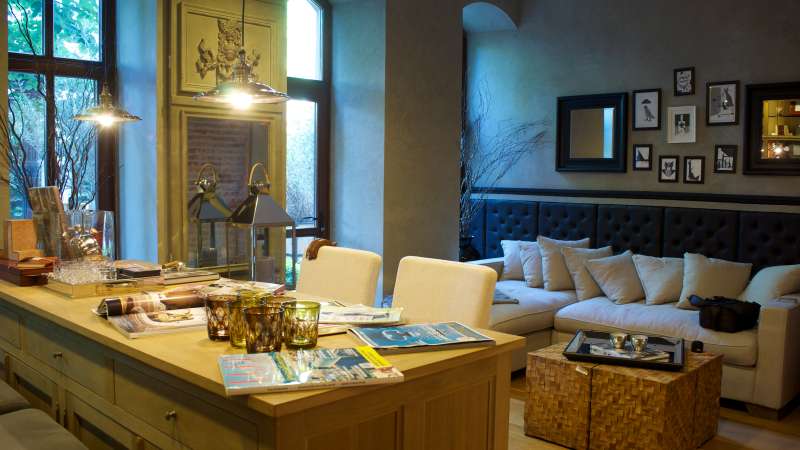
Designing a beautiful home does not always require a huge budget, expensive furniture, or a professional interior designer. In fact, thoughtful planning and a few smart decorating principles can completely transform an ordinary room. The right colors, furniture arrangement, lighting, textures, and accessories can make your home feel more comfortable, balanced, and personal.
This guide to interior decoration advice mintpaldecor explains practical ways to improve your home while keeping style and functionality at the center of every decision. Whether you are decorating a new house, refreshing one room, or simply looking for affordable ideas, these principles can help you create a space that looks polished without feeling overly designed.
The most successful interiors combine beauty with everyday comfort. Therefore, instead of following every trend, focus on creating rooms that reflect your personality and support the way you actually live.
Why Thoughtful Interior Decoration Matters
Interior decoration affects more than appearance. A well-planned room can improve comfort, organization, lighting, and even the way people move through a home.
For example, a poorly arranged living room may look attractive but feel uncomfortable because furniture blocks pathways. Similarly, a beautiful bedroom can feel unfinished if it lacks appropriate lighting or storage.
Good decoration solves these problems by combining:
- Comfort
- Function
- Balance
- Color
- Texture
- Lighting
- Personal style
- Proportion
Consequently, you should always consider how a room works before concentrating entirely on how it looks.
Start With Your Personal Style
Before buying furniture or accessories, determine the decorating style you genuinely enjoy.
You might prefer:
- Modern interiors
- Minimalist design
- Traditional decoration
- Scandinavian style
- Farmhouse interiors
- Industrial design
- Contemporary spaces
- Coastal decoration
- Eclectic interiors
However, you do not need to follow one style perfectly. Instead, combine elements that complement each other.
For example, you can combine a modern sofa with a traditional wooden coffee table. Likewise, contemporary lighting can work beautifully with vintage artwork.
The goal is not to create a showroom. Instead, create a home that feels authentic and comfortable.
Create a Mood Board
A mood board makes decorating decisions easier.
Collect images of rooms, furniture, colors, fabrics, artwork, flooring, and lighting that you like. Then look for common patterns.
You may notice that you repeatedly choose:
- Warm neutral colors
- Natural wood
- Soft fabrics
- Black metal accents
- Green plants
These patterns reveal your natural design preferences.
Furthermore, a mood board prevents random purchases because you can compare new items with your existing design direction before buying them.
Plan Your Room Before Buying Furniture
One of the most important decorating rules involves planning.
Measure your room carefully before purchasing major furniture. Record the dimensions of:
- Walls
- Windows
- Doors
- Walkways
- Existing furniture
- Built-in storage
Then create a simple floor plan.
You can use graph paper or a digital room planner to test different arrangements. This approach helps you determine whether a sofa, dining table, bed, or cabinet will actually fit.
Do Not Push Everything Against the Walls
Many homeowners automatically place every piece of furniture against the wall. However, this approach can make a room feel disconnected.
Instead, consider floating furniture slightly away from the walls.
For example, position your sofa toward the center of the living room and create a conversation area around it. You can then place a console table behind the sofa if enough space remains.
This arrangement often improves both movement and visual balance.
Choose the Right Foundation Furniture
Foundation furniture forms the backbone of a room.
Examples include:
- Sofa
- Bed
- Dining table
- Wardrobe
- Coffee table
- TV unit
- Storage cabinet
Because these pieces usually cost more than accessories, choose them carefully.
Prioritize:
- Correct size
- Comfort
- Durability
- Functionality
- Timeless design
Do not choose furniture simply because it looks attractive online. Consider whether it suits your room and your lifestyle.
For example, families with children may benefit from durable, stain-resistant fabrics. Similarly, people who work from home should prioritize ergonomic seating and appropriate desk space.
Use Rugs to Anchor Your Room
A rug can completely change the appearance of a room.
However, many people choose rugs that are too small.
In a living room, select a rug large enough for at least the front legs of the main seating pieces to rest on it. Ideally, the rug should visually connect the sofa, chairs, and coffee table.
A properly sized rug creates a unified seating area instead of making furniture appear scattered.
You can also use rugs to:
- Define zones
- Add warmth
- Introduce color
- Reduce visual emptiness
- Add texture
Therefore, never underestimate the influence of a well-chosen rug.
Layer Your Lighting
Lighting represents one of the most important elements of interior design.
A single ceiling fixture rarely creates enough visual depth. Instead, use multiple layers of lighting.
Ambient Lighting
Ambient lighting provides general illumination.
Examples include:
- Ceiling fixtures
- Chandeliers
- Recessed lights
- Large pendant lights
Task Lighting
Task lighting supports specific activities.
Examples include:
- Reading lamps
- Desk lamps
- Kitchen under-cabinet lighting
- Bedside lamps
Accent Lighting
Accent lighting highlights specific decorative features.
Use it to emphasize:
- Artwork
- Shelving
- Architectural details
- Plants
- Decorative objects
When you combine all three types, the room feels more dynamic and comfortable.
Additionally, use natural light whenever possible. Keep windows clear and choose curtains that allow daylight to enter while maintaining privacy.
Create a Strong Focal Point
Every room benefits from a visual anchor.
A focal point immediately attracts attention and gives the room a clear direction.
Possible focal points include:
- Fireplace
- Statement sofa
- Large artwork
- Accent wall
- Architectural window
- Designer light fixture
- Headboard
Once you identify the focal point, arrange other elements around it.
For instance, if you have a large piece of artwork above the sofa, avoid placing several equally large pieces nearby. Instead, allow the main artwork to dominate the space.
Use the Rule of Three
Grouping decorative objects in odd numbers often creates a natural visual rhythm.
Try groups of:
- Three vases
- Three candles
- Three books
- Three framed photographs
- Five small accessories
However, do not follow the rule mechanically.
Vary the height, shape, and texture of grouped objects to create additional interest.
For example, place a tall vase beside a medium-sized decorative object and a short stack of books.
This simple arrangement creates visual movement.
Mix Textures Instead of Matching Everything
A room can feel flat when every item uses the same material.
Instead, combine different textures.
For example, a living room might include:
- Linen curtains
- Wooden furniture
- Soft upholstery
- Metal lighting
- Glass accessories
- Woven baskets
These contrasting surfaces create depth.
Even a monochromatic room can look sophisticated when you combine several textures.
For example, a beige room can include wool, linen, wood, ceramic, and woven materials without introducing many different colors.
Use Vertical Space
Many homeowners concentrate only on floor-level decoration.
However, walls provide valuable design opportunities.
Use:
- Tall bookshelves
- Vertical artwork
- Long curtains
- Wall-mounted storage
- Tall plants
- Floor-to-ceiling shelving
Long curtains are particularly effective because they can make windows and ceilings appear taller.
Hang curtain rods slightly above the window frame and allow the fabric to reach close to the floor for a more elegant appearance.
Avoid Unnecessary Clutter
Good interior design does not require filling every available surface.
In fact, excessive decoration can make a room feel smaller and stressful.
Regularly review your accessories and ask:
- Do I use this?
- Do I love it?
- Does it contribute to the room?
- Does it have sentimental value?
If an item serves no purpose and adds no visual or emotional value, consider storing or removing it.
Negative space gives important decorative pieces room to breathe.
Embrace Negative Space
Empty space is not wasted space.
Instead, negative space creates balance and allows focal points to stand out.
For example, you do not need to fill every corner with:
- Plants
- Tables
- Chairs
- Shelves
- Artwork
Instead, create intentional empty areas.
A comfortable accent chair and floor lamp may be enough for an unused corner. Similarly, a blank wall can provide visual relief between decorated areas.
As a result, the entire home can feel calmer and more sophisticated.
Choose Colors Carefully
Color strongly influences mood and perception.
Before choosing paint, consider:
- Natural light
- Room size
- Ceiling height
- Existing furniture
- Flooring
- Desired atmosphere
Warm colors can create a cozy feeling, while cool colors can produce a calmer atmosphere.
Neutral colors offer flexibility, but they do not have to appear boring. Add interest through:
- Textured fabrics
- Artwork
- Plants
- Wood
- Decorative accents
You can also repeat one accent color throughout the room to create cohesion.
Make Small Rooms Feel Larger
Small spaces require careful planning.
Use these techniques to create a more open appearance:
Choose appropriately scaled furniture
Oversized furniture can overwhelm a small room. Select pieces that provide enough comfort without consuming excessive floor space.
Use mirrors
A strategically positioned mirror can reflect light and make the room appear more spacious.
Keep pathways clear
Avoid placing furniture where it interrupts natural movement.
Use vertical storage
Tall shelving takes advantage of unused wall space without consuming much floor area.
Maintain visual consistency
Using a limited color palette can make a small room feel more connected.
Decorate According to Your Lifestyle
One of the most important principles of interior decoration advice mintpaldecor is to design for real life.
A home should look attractive, but it must also function properly.
If you work from home, create a comfortable workspace with good natural light.
If you have children, choose durable furniture and accessible storage.
If you entertain frequently, create flexible seating arrangements.
If you enjoy cooking, prioritize kitchen organization and practical lighting.
Your lifestyle should influence every major decorating decision.
Decorate Your Bedroom for Comfort
The bedroom should promote relaxation.
Choose:
- Comfortable bedding
- Soft lighting
- Appropriate bedside storage
- Calming colors
- Minimal clutter
Layer bedding with different textures to create a comfortable and luxurious appearance.
You can also use bedside lamps instead of relying exclusively on overhead lighting.
Improve Your Living Room
The living room often functions as the social center of the home.
Start by creating a comfortable conversation area.
Arrange seating so people can easily communicate without shouting across the room.
Then add:
- A properly sized rug
- Coffee table
- Layered lighting
- Artwork
- Plants
- Decorative cushions
Keep enough space between furniture pieces for comfortable movement.
Create a Functional Kitchen
Kitchen decoration should prioritize functionality.
Keep frequently used items accessible while storing less-used equipment out of sight.
Consider:
- Under-cabinet lighting
- Open shelving
- Organized drawers
- Durable countertops
- Practical seating
Decorative elements should enhance the kitchen without interfering with cooking and cleaning.
Add Personality Through Accessories
Accessories give your home character.
Use:
- Artwork
- Books
- Plants
- Photographs
- Ceramics
- Baskets
- Cushions
- Throws
However, avoid buying accessories simply to fill empty spaces.
Choose pieces that reflect your personality and interests.
Personal objects make a home feel lived-in rather than generic.
Common Interior Decorating Mistakes
Avoiding mistakes can save money and improve your final result.
Buying Furniture Before Measuring
Always measure first.
Choosing a Rug That Is Too Small
A tiny rug can make furniture appear disconnected.
Using Only One Light Source
Layer your lighting instead.
Matching Everything
Too much matching can make a room look like a furniture showroom.
Ignoring Scale
Every piece should relate appropriately to the room and surrounding objects.
Overdecorating
Too many accessories create visual noise.
Following Trends Too Closely
Trends change quickly. Instead, choose timeless foundation pieces and introduce trends through affordable accessories.
How to Refresh a Room on a Budget
You do not need a complete renovation to transform your interior.
Try these affordable updates:
- Rearrange furniture
- Paint an accent wall
- Replace cushions
- Add plants
- Change lampshades
- Introduce a new rug
- Rearrange artwork
- Declutter surfaces
- Add decorative baskets
- Change curtains
Even small adjustments can dramatically improve a room.
Sustainable Interior Decoration Ideas
Sustainable decorating can also save money.
Consider:
- Secondhand furniture
- Vintage accessories
- Reclaimed wood
- Durable materials
- Energy-efficient lighting
- Indoor plants
- Reusable decor
Instead of replacing furniture whenever trends change, update existing pieces with paint, new hardware, or reupholstery.
This approach reduces waste while giving your home a unique appearance.
Final Thoughts
Creating a stylish home requires more than purchasing beautiful furniture. Successful decorating combines thoughtful planning, practical layouts, appropriate scale, balanced colors, layered lighting, and personal expression.
The principles behind interior decoration advice mintpaldecor show that homeowners can achieve impressive results without relying on an enormous budget. Start with a clear plan, select furniture that fits your lifestyle, anchor rooms with appropriately sized rugs, and use lighting to create depth. Furthermore, mix textures, vary heights, use vertical space, and leave enough negative space to prevent clutter.
Most importantly, design your home for the way you actually live. A beautiful interior should also feel comfortable, practical, welcoming, and personal. By applying these principles gradually, you can transform ordinary rooms into spaces that feel intentional and uniquely yours.
Remember that great design does not happen overnight. Experiment with layouts, edit your accessories, and make changes as your needs evolve. With patience and thoughtful choices, interior decoration advice mintpaldecor can help guide you toward a home that looks beautiful while supporting everyday life.
For more info visit DecorationAdvice